A luxury watch’s resale value is predominantly determined by brand reputation, market demand, rarity, exclusivity, the model’s scarcity, and, particularly, its physical condition. Luxury watches existent in the secondary watch market, that typically retain or appreciate in value, are iconic, legendary, and highly sought-after models from elite manufacturing houses, primarily Rolex and Patek Philippe, and are often found unpolished, accompanied by their aesthetic paperwork and boxes.
Luxury watches, specifically the collectibles, guarantee a timeless blend of horological heritage, functionality, practicality, and aesthetic appeal, carrying an unparalleled appreciation backed by an incredible financial strategy.
A majority of enthusiasts purchase luxury watches based on raw emotions and a deeper sense of connection with the timepiece, which, according to them, is not just a tool for mere timekeeping, but a feeling and an impersonation of their emotions. Even though admiration for your chosen watch remains perpetual, the piece's secondary market might follow an entirely different trajectory.
Understanding the Specific Luxury Watch Mechanics
Until the watch in question has an insignia, such as a Rolex crown or a Patek Philippe seal, the purchase of your luxury watch might not guarantee significant value retention or financial appreciation.
The harsh reality in horology is that the estimated prices for the timeless horological tool depreciate the moment they leave the retail showroom. Deciphering the specific watch mechanics that stand behind a robust watch valuation creates a clear distinction between an emotional buyer and a strategic, visionary collector.
The comprehensive guide expertly covers the intricacies of the variables that determine not only how exemplary watches perform but also how well they retain their value relative to their price points.
By understanding their heritage and prestige over time, along with rarity, condition, and specific movement type, the guide provides a realistic framework to help you navigate the nuances of the pre-owned market with ease. Discovering such factors helps you proceed with an informed investment done with confidence, elegantly balancing personal rejoicing with financial longevity.
Why Do Luxury Watches Lose Value?
A plethora of measurable factors determine whether a luxury watch will lose, gain, or hold its value. Most factors intrinsically define the prized luxury collectible itself, particularly the brand reputation, model specifics, movement type, and other details that most definitely power the watch.
Other major factors, including how regularly the owner has cared for and maintained the watch, are influenced by broader market trends that decisively dictate collector demand. Clearly deciphering each of these categories provides a picture of how a typical watch would perform in a vibrant yet flamboyant secondary watch market.
Manufacturer's Brand: How it Determines the Watch’s Value in the Secondary Market?
Not all luxury watch brands have equal reputations, nor do they share similar levels of collectibility. An unrivaled Swiss legacy is never the sole reason, nor does it translate into robust financial value on its own.
Rolex stands strong as a supreme brand with an enduring brand value, carrying a distinguished appeal, aura, and stature in the secondary luxury watch market. Irrespective of the fact that it is still one of the youngest Swiss watch brands, with its foundations being laid in 1905, Rolex seamlessly maintains a classic demand and a pristine appeal, carrying a rich legacy.
Having earned a reputation for developing highly sustainable, reliable movements, they designed their watches to last a lifetime. Having remained dedicated to superior innovation, Rolex makes every watch a creative masterclass, highlighted by inventions like the waterproof Oyster case and the self-winding Perpetual movement, solidifying its dominant market position.
Rising Popularity of Used Rolexes
Used Rolex watches have remained incredibly popular ever since, with the brand producing extremely durable, strong, and reliable watches under limited production, paying meticulous attention to detail.
A majority of competent watch companies have mastered intricate yet meticulous complications, those that mostly remain too fragile for regular wear. They, however, feature powerful designs driven by incredible practicality and timeless functionality, offering an attractive overall appeal but lacking generational longevity, efficacy, and operational capabilities. Rolex, however, guarantees both exclusivity and wearability.
Brands that reliably hold their value include Rolex, Patek Philippe, Audemars Piguet, F.P. Journe, and Richard Mille. The manufacturers, in particular, blend in limited production runs, forging robust collector demand and global brand recognition.
Conversely, brands that typically depreciate fastest include TAG Heuer, Breitling, Hublot, Panerai, and Bell & Ross. These brands produce watches in much higher volumes and lack the speculative collector base needed to drive secondary-market prices upward.
Physical Condition: How Does it Impact the Luxury Watch Resale?
The physical condition of your watch remains a key factor in determining its open-market value. Physical condition encompasses both wear and tear and changes to the original components.
Targeted condition issues that most meaningfully reduce a watch’s resale value comprise:
-
Apparent Surface Scratches: These have minimal impact, typically resulting in a 5% reduction in value.
-
Intense Polishing or Reshaped Lugs: These particularly reduce a watch’s value by 20-40%. Sharp, polished lugs remained highly sought after, especially on vintage Rolexes.
-
Replaced Bezel or Non-original Parts: Typically leads to an average 50% reduction in value. Collectors need components that match a specific reference number, corresponding to their production era.
-
Replaced Service Dial on the Timeless Vintage: The factor typically leads to a 30% to 60% drop in value if the original dial remained unique.
-
Water Damage: Could Prove Potentially Ruinous. Repair costs could very well approach the timepiece’s total market value, leaving the dilapidated watch nearly worthless when on resale.
Original Box and Papers- Pivotal for Watch Evaluation
A dominant factor in the valuation of a pre-owned watch is the paperwork. A “full-set’ necessarily includes the watch, authentic presentation box, warranty card, instruction manuals, and service records. The presence of a full set most advantageously adds 10%-25% to the resale value compared to a watch sold without any accessories.
For rare and vintage references, the premium focuses on dramatic sales. Aesthetic punched papers on a vintage Rolex Daytona or a "Red" Rolex Submariner can add tens of thousands of dollars to the final asking price.
Paperwork plays a significant role. Adding to the authenticity, the original warranty card includes a unique serial number alongside the watch case, enabling quicker, hassle-free verification and dramatically reducing potential fraud.
An entire set depicts the watch's history, emphasizing critical details such as when it was sold and how the owner must have kept it in good condition. Conclusively, watches with full documentation sell faster, captivating a much broader pool of buyers who offer top-dollar payouts.
Service History and Original Parts- Influencing Watch Pricing
A luxury watch, most aesthetically, featuring documented service from an authorized manufacturer service center, forging significant value compared to a tool of timeless horology with third-party repairs. Collectors need absolute assurance that the movement has been upgraded and maintained regularly, with all internal components remaining factory-original.
Replacement parts can severely damage a watch’s collectible value. Switching an original dial for a bolder, newer service dial or a tailored non-original bracelet transforms a top collectible into an ordinary timepiece. Particularly for exclusive, rare, vintage models, the financial difference between the aesthetic "tropical" dial and a factory service-replacement dial can amount to close to tens of thousands of dollars in no time.
Specific luxury watch models: How do they Hold Value Better than Others?
Within the elite cluster of top-performing brands, each model's popularity could undoubtedly lead to mammoth value discrepancies. Rolex watches, in particular, hold a distinguished value, and models tied to pop culture or distinct historical events significantly outperform standard dress watches.
Rolex Daytona vs Rolex Cellini: What Models Retain Value?
Highlighting the two watches from the year 2000: an 18k yellow gold Rolex Daytona on a leather strap and an 18k white gold Rolex Cellini on a leather strap. Despite sharing similar materials and production years, the Rolex Daytona trades at approximately five to seven times the secondary-market price of the Rolex Cellini.
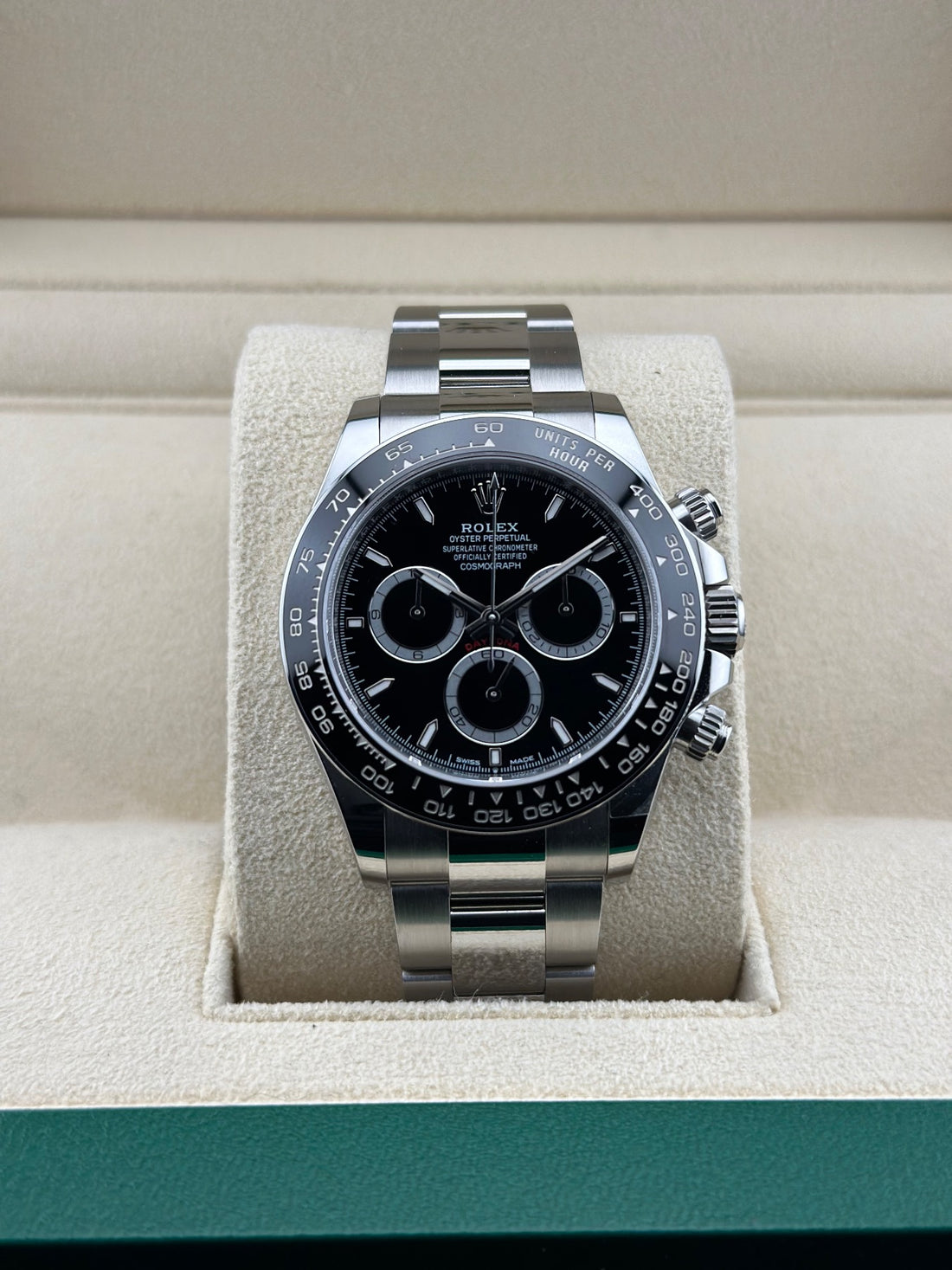
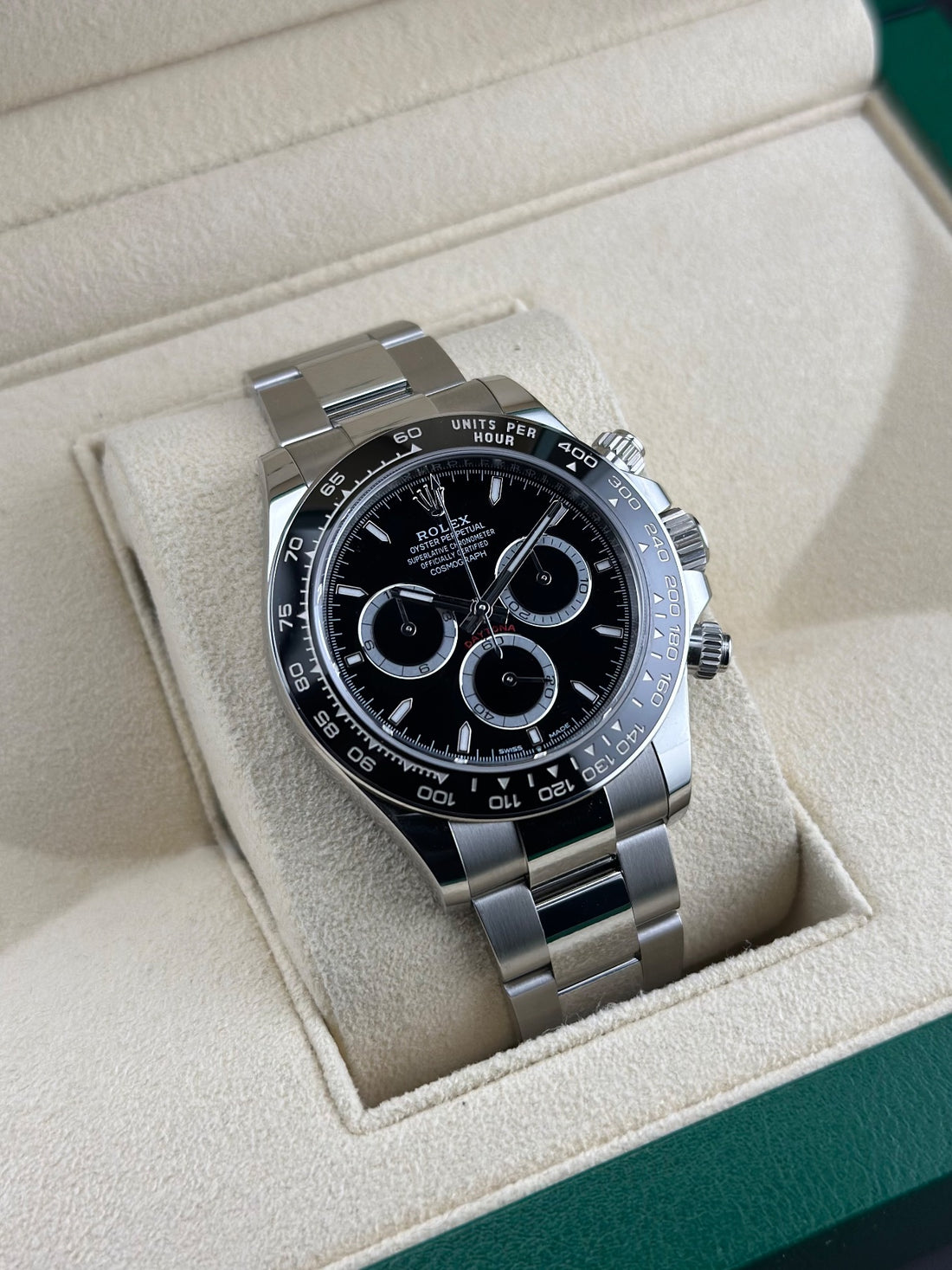
The Rolex Daytona remains ever-so-popular, owing to its mesmerizing dial aesthetic, historical collaborations with the legendary Paul Newman, and extreme scarcity at authorized retailers. Opt for a Rolex Daytona if you're looking to maximize resale, thereby securing a widely recognizable piece that matters more than a traditional, restrained dress watch like the Cellini.
Controlled Production and Market Distribution: How Do These Affect a Watch’s Price?
Overwhelming production volumes and expansive retail distribution drive secondary market prices down. Omega offers a broad array of scintillating luxury timepieces in a vibrant, diverse, yet dynamic catalog. Omega produces a much larger volume of watches annually. The intense supply prevents most Omega models from achieving true market exclusivity.
Omega Seamaster Planet Ocean vs Rolex Submariner Date: Does Supply Influence Price?
Both the Omega Seamaster Planet Ocean and the Rolex Submariner Date are aesthetically appealing, professional dive watch classics. The scintillating Omega Planet Ocean lineup traverses innumerable case sizes, materials, complications, and colors. A plentiful retail supply keeps pre-owned prices soft, allowing buyers to purchase a nearly new Planet Ocean directly from an authorized dealer.
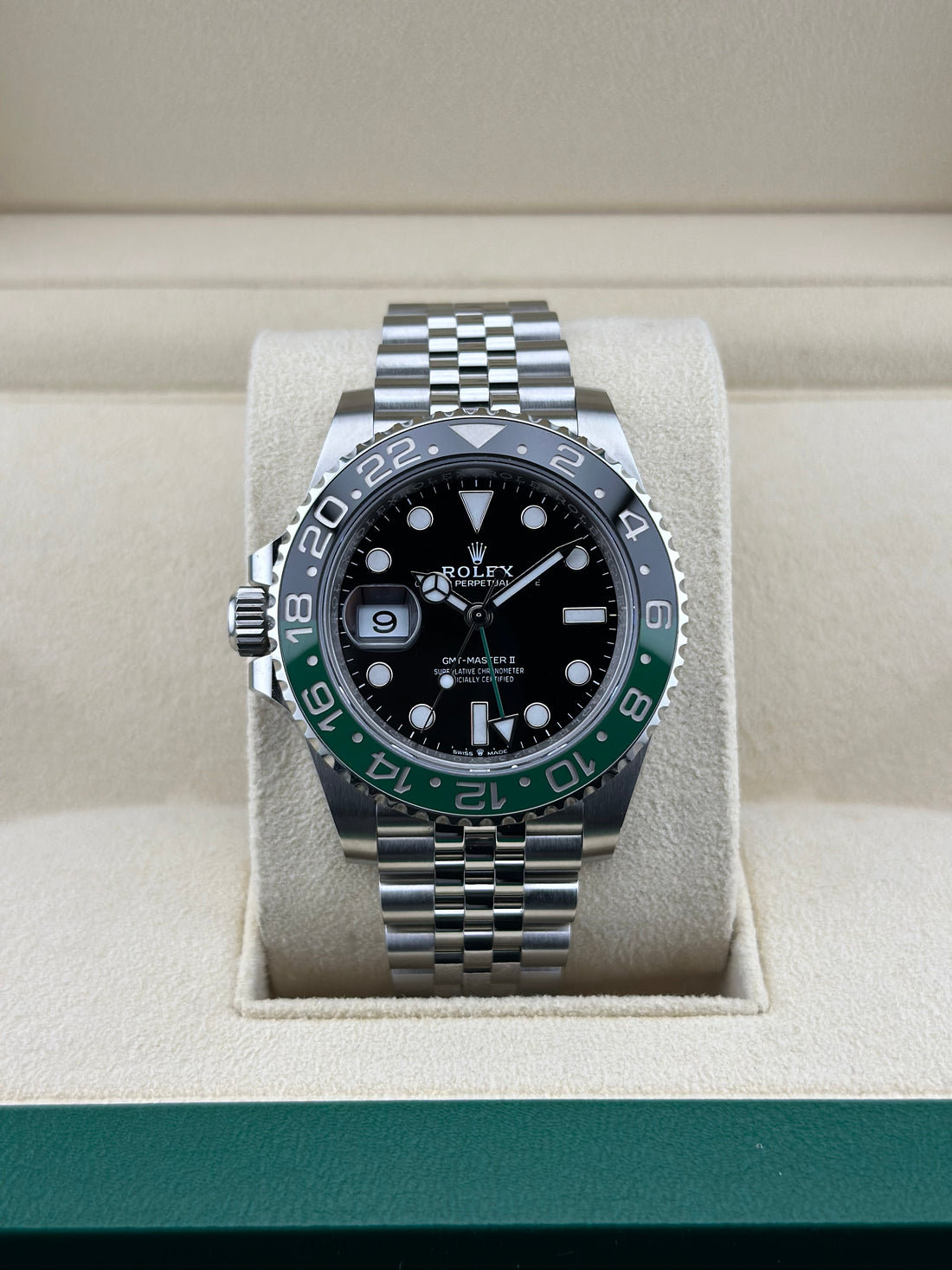
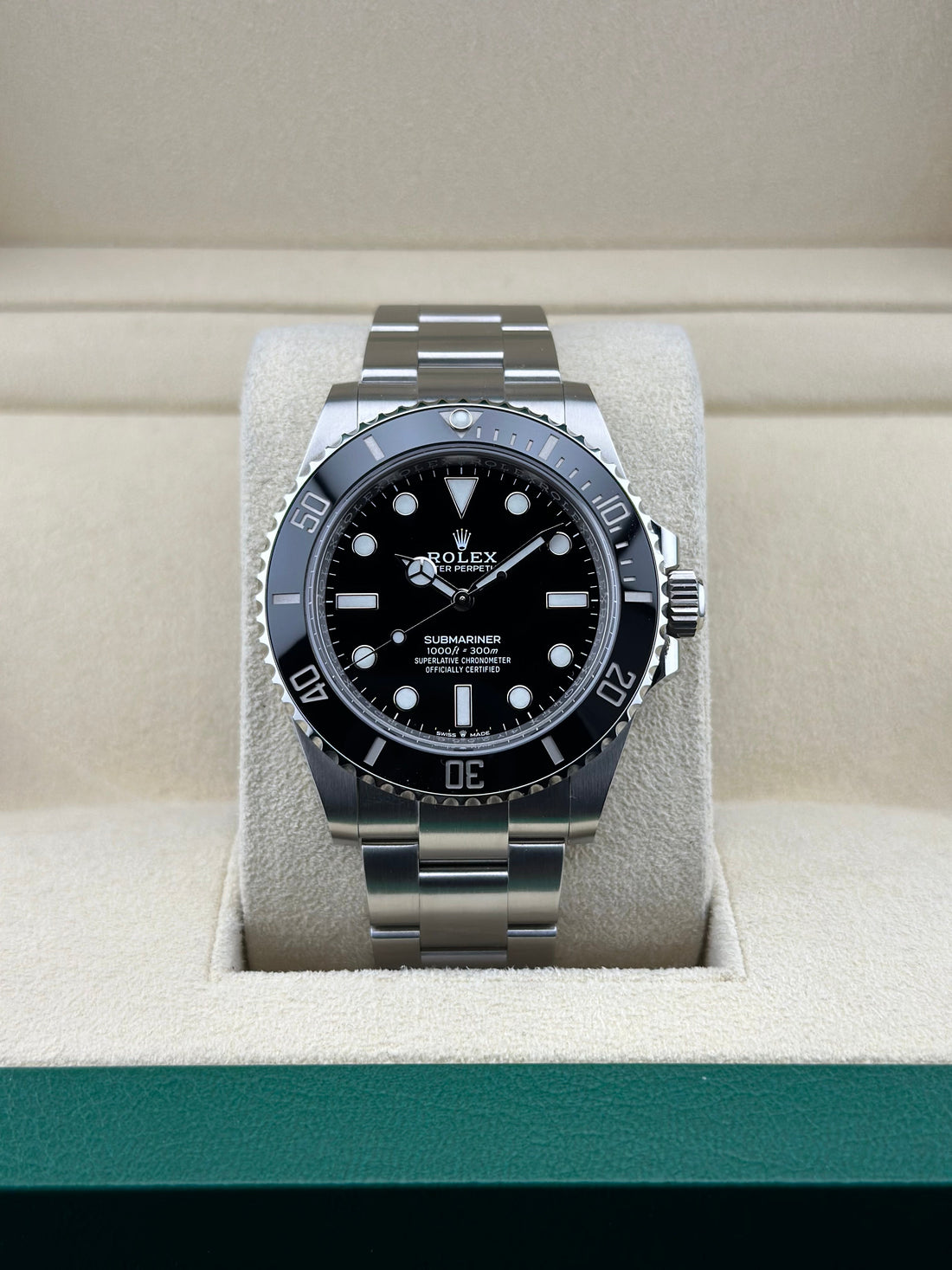
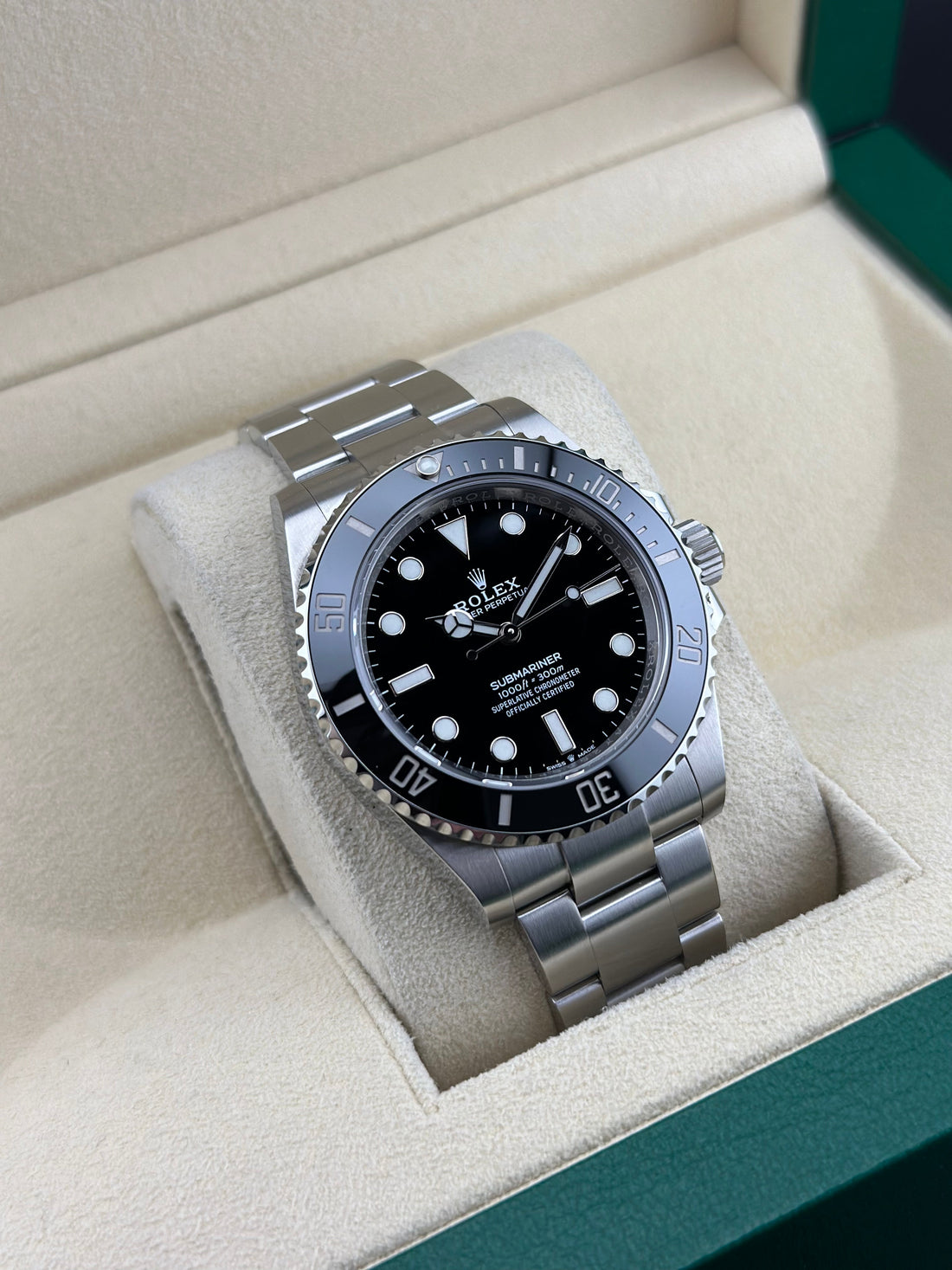
Conversely, Rolex manufactures the stainless steel Submariner Date in a single size and offers a limited range of bezel color options. Those minor variations lead to a tightly controlled supply, with the Rolex Submariner entirely unavailable at retail, thereby aggressively driving up pre-owned prices.
Pick a Rolex Submariner if sustained financial appreciation remains your primary goal, and the Omega Planet Ocean is well-suited if you prefer immediate availability and a range of design options.
Stylish and Oversized Luxury Watches- Do these Lose Value Faster?
Watches that realistically grab fleeting design trends would typically fall in a sudden depreciation. If your ultimate goal remains investment potential, you must refrain from hyper-stylish designs.
Oversized watches, though flashy, with substantial wrist presence and ornamentally embellished 50mm cases, dominated the early 2000s. Humongous Panerai watches and U-Boat references from that era, however, struggled to make an impact on the secondary luxury watch market, with customer tastes more suited to wearable, traditional case sizes. Conversely, two-tone steel-and-gold watches made a thunderous comeback beginning in 2023 and have continued to appreciate after a decade of depreciation.
Rolex navigates trends with mesmerizing ease, simply making those subtle yet impactful adjustments. Instead of releasing a fashionable 50mm Datejust, Rolex strategically introduced a well-proportioned 41mm Datejust. The calibrated approach assures the model’s remarkable popularity and robust financial stability across different eras.
Quartz Movement Watches- Do these Hold their Value as Robustly as Mechanical Watches?
Watches equipped with mechanical movements hold much better value than their quartz counterparts. Mechanical calibers require complex engineering, expensive materials, and labor-intensive assembly. This inherent craftsmanship bolsters their long-term resale value.
Cartier Panthere vs Rolex Datejust: Which Movement Type is a Well-Deserved Financial Choice?
The medium-sized 18k yellow gold Cartier Panthere undoubtedly remains a highly popular quartz watch. Unleashing top-end functionality, comfort, and adaptability, the masterpiece offers timeless wearability adorned with a square design.
The mechanical Rolex Datejust, however, aligns with a superior financial choice. Their meticulous yet highly functional mechanical caliber, encapsulated, ascertains long-term collectability. A majority of 30-year-old mechanical Rolex Datejust models currently trade for amounts exceeding their original purchase prices. Opt for a mechanical Rolex Datejust if your priority is rich engineering heritage and robust financial appreciation, rather than the lightweight convenience of a quartz Cartier Panthere.
Frequently Asked Questions
1. Do luxury watches depreciate over time?
Yes, a majority of luxury watches, particularly, lose 20-50% of their value the very moment they leave the retail store. Conversely, there are highly sought-after references, primarily the quintessential stainless steel Rolex sport models, the Patek Philippe Nautilus, and the Audemars Piguet Royal Oak, that consistently continue to grow in value when maintained in top-notch condition.
2. What luxury watch brands showcase maximum depreciation?
Amongst the brands that characteristically depreciate the fastest include: TAG Heuer, Breitling, Hublot, and Panerai. Considering the higher-volume models from Omega, Cartier, and Breguet do garner substantial depreciation, specifically outside the realm of limited editions and trailblazing reference lines.
3. Are all Rolexes continually appreciated in value?
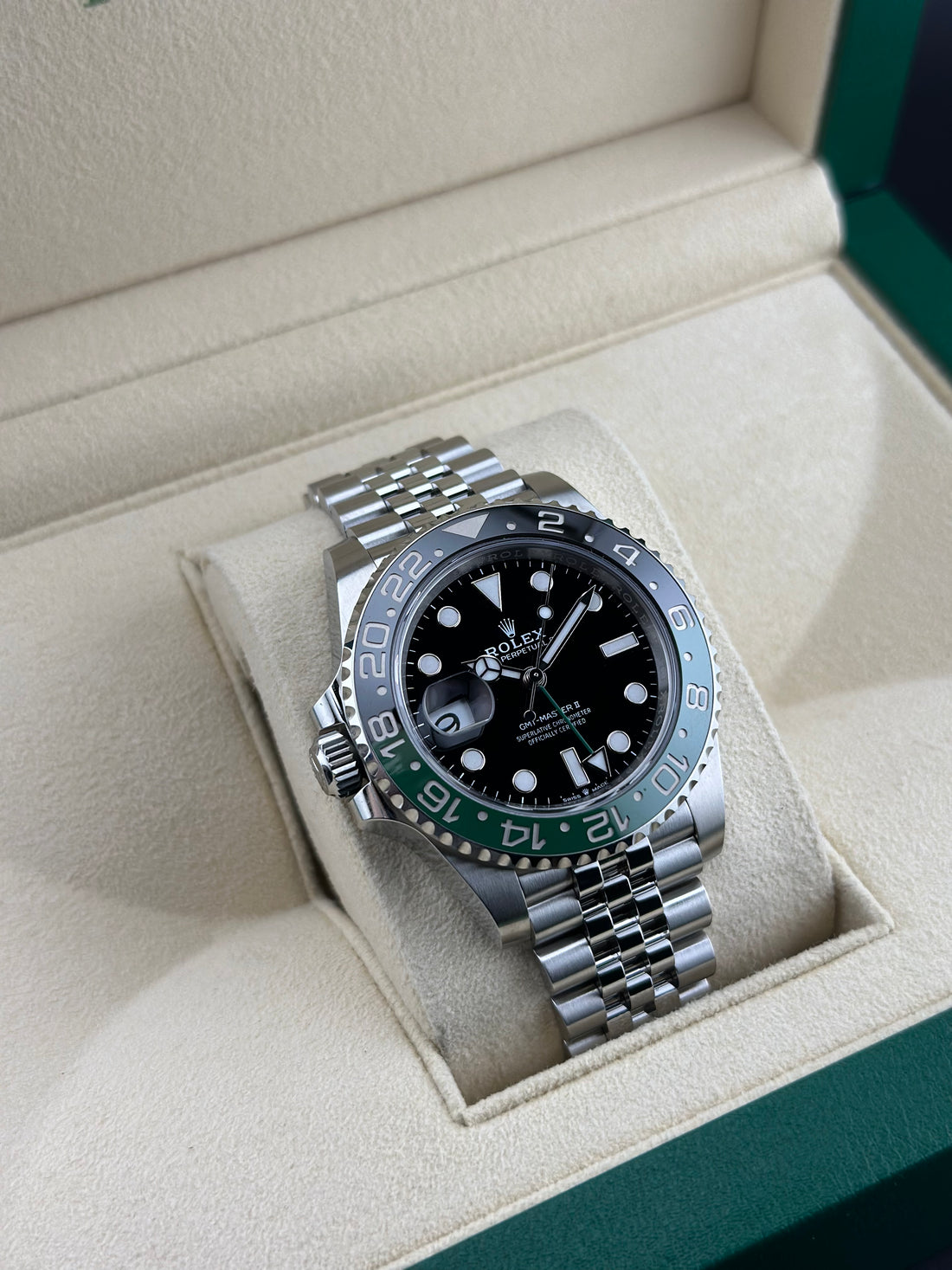
No, not all Rolexes necessarily appreciate. Steel sports models, specifically the Rolex Submariner, Rolex Daytona, and Rolex GMT-Master II, have a rich heritage and typically exceed their retail value. Sophisticated yet statement-making dressier lines, like the Rolex Cellini and entry-level Rolex Oyster Perpetual references, do depreciate gradually when featured on the secondary market.
Eye the Perfect Luxury Watch with Music City Timepieces
At Music City Timepieces, we passionately serve as experts, excelling in luxury Swiss watchmaking with the love for horology driving everything we do. We professionally curate, specializing in the retail of authenticated luxury watches, giving a level playing field to both collectors and enthusiasts with a premium selection of Swiss watches from globally renowned manufacturers.
Every watch we sell is proudly owned, hand-selected for quality, artisanal brilliance, and enduring appeal. Having committed to delivering authentic experiences with deep horological expertise, we strive to provide an enriched buying experience, dealing transparently, fairly, and competitively, and giving personalized advice, instilling complete purchase confidence.
Whether you're acquiring your first luxury watch or adding a significant piece to an established collection, our goal is to deliver an experience that reflects the prestige of the timepiece itself.
Reviews Establish Trust
In the secondary luxury watch market, trust is nurtured via consistency, transparency, and the ultimate client satisfaction. Reviews play a pivotal role in establishing lasting relationships, giving buyers confidence that they are working with a reputable source committed to their long-term collecting journey. Having earned 200+ positive reviews from clients across the country, Music City Timepieces has become a trusted destination for collectors seeking not only exceptional watches but also a reliable partner for years to come.