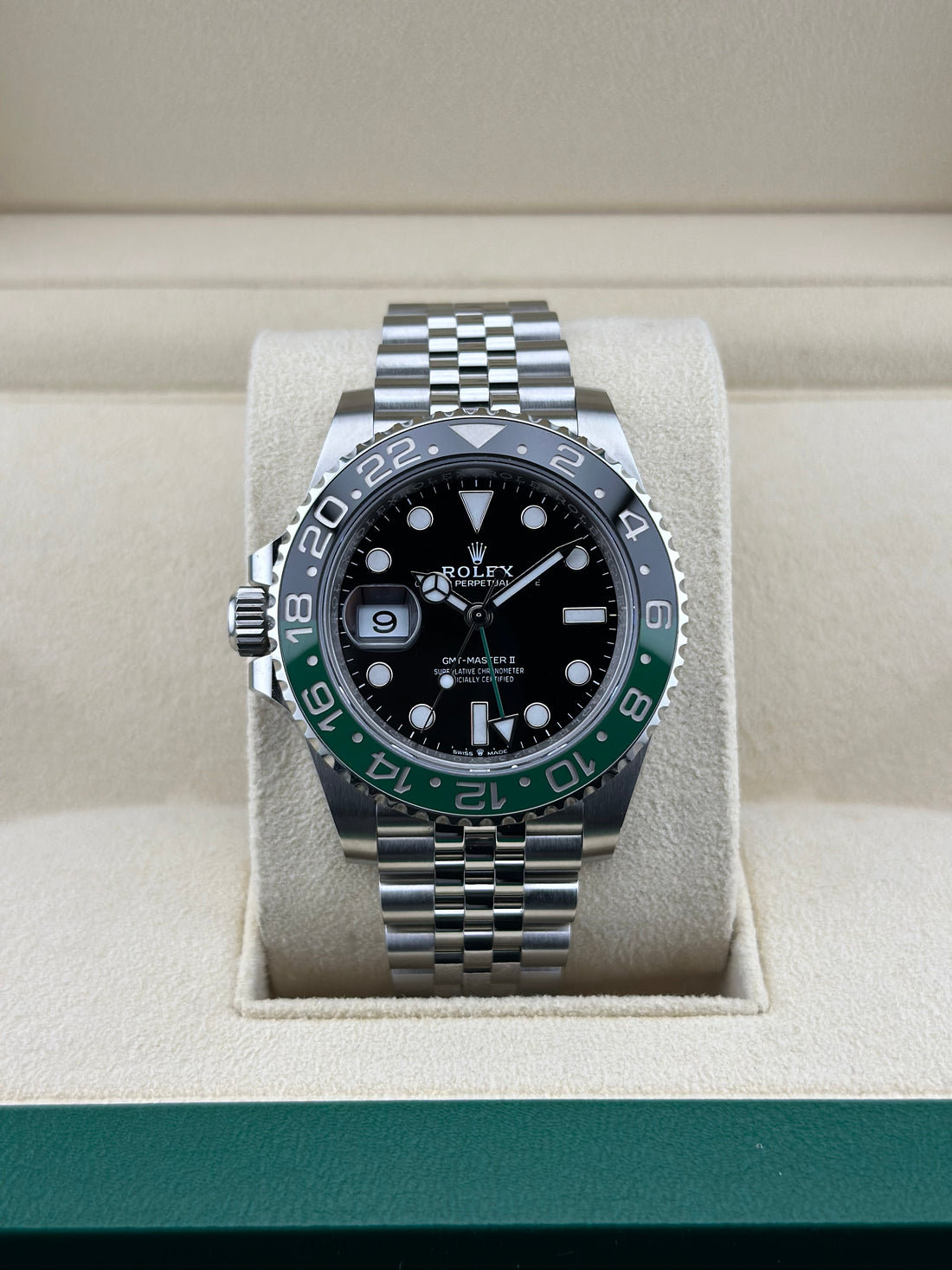
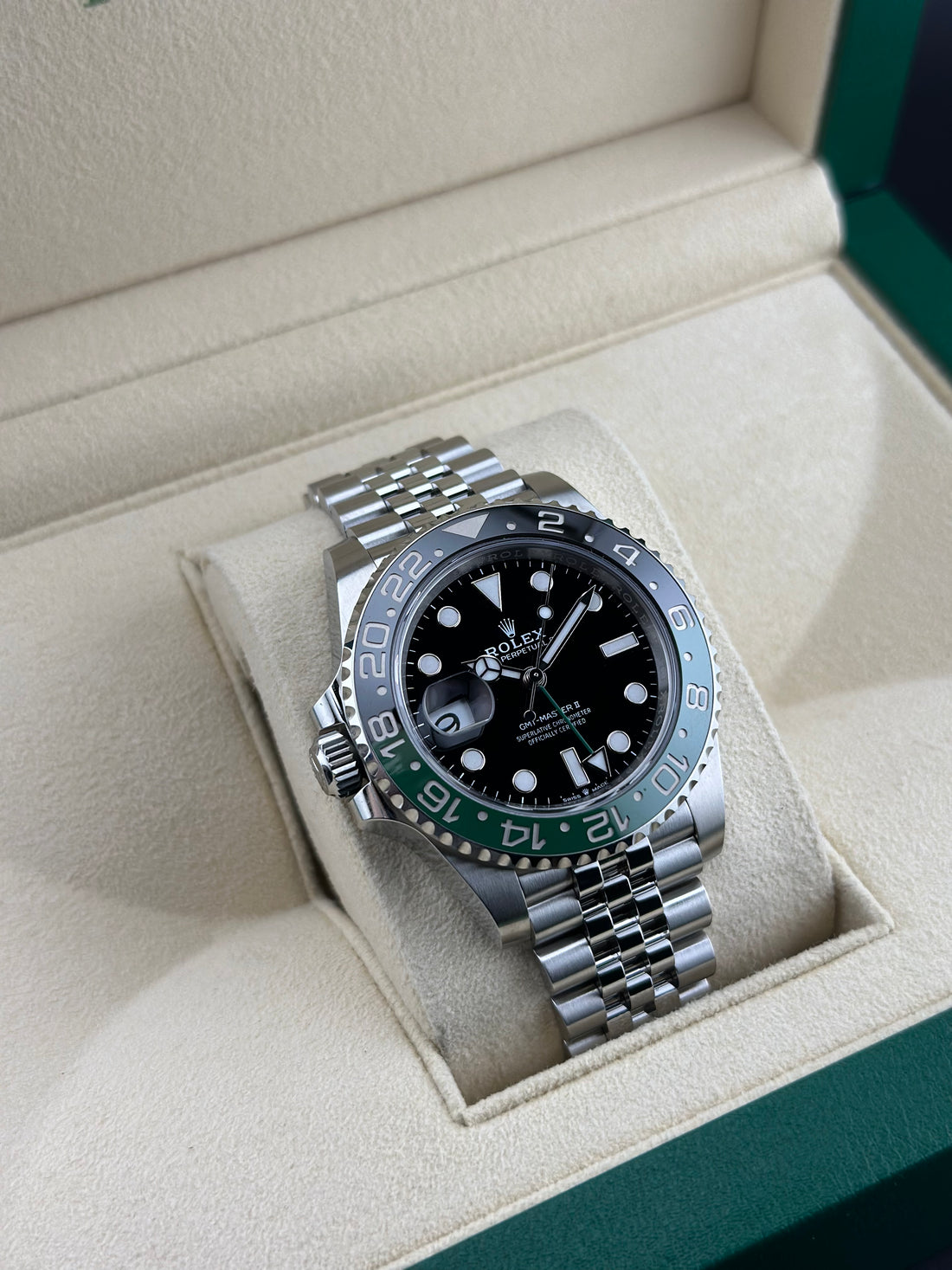
GMT watches have become some of the most practical and sought-after timepieces in the world of horology. Originally designed for pilots navigating across multiple time zones, these watches are now popular among frequent travelers, business professionals, and watch enthusiasts who appreciate their functionality and timeless appeal. Whether you're flying internationally, coordinating meetings across different countries, or simply fascinated by mechanical watch complications, a GMT watch offers unmatched convenience.
Despite their popularity, many first-time owners are unsure how to use a GMT watch correctly. The additional hand, rotating bezel, and multiple time displays can seem intimidating at first. Fortunately, once you understand how the GMT function works, operating one becomes straightforward and incredibly useful.
This guide explains how GMT watches work, how to set them properly, and how to use them to track multiple time zones with confidence.
What Is a GMT Watch?

A GMT watch is designed to display more than one time zone simultaneously. Unlike a standard three-hand watch that only shows local time, a GMT watch includes an additional hour hand that completes one full rotation every 24 hours rather than every 12 hours.
This fourth hand works alongside a 24-hour scale located either on the watch dial or on a rotating bezel, allowing the wearer to distinguish between daytime and nighttime while tracking another time zone.
The GMT complication was originally developed for international pilots who needed to monitor both local time and Greenwich Mean Time (GMT) during long-haul flights. Today, it serves anyone who regularly communicates, works, or travels across multiple regions.
Understanding the Parts of a GMT Watch
Before setting your watch, it's helpful to understand its key components.
The traditional hour, minute, and second hands display your primary local time, just like any standard wristwatch.
The additional GMT hand moves more slowly, completing one rotation every 24 hours. This hand points to the 24-hour scale, allowing you to read a second time zone.
Many GMT watches also feature a rotating 24-hour bezel. When adjusted correctly, this bezel can allow the wearer to track a third time zone without changing the movement itself. Understanding how these components work together makes using a GMT watch much easier.
How to Set a GMT Watch
Although different manufacturers may use slightly different mechanisms, the overall process remains similar for most GMT watches.
Step 1: Unscrew the Crown (If Applicable)
If your watch features a screw-down crown, carefully unscrew it before making any adjustments.
Step 2: Set the GMT Hand
Pull the crown to the appropriate position recommended by the manufacturer and adjust the GMT hand until it points to your desired reference time on the 24-hour scale.
Many travelers prefer setting the GMT hand to their home time while allowing the standard hour hand to display local time.
Step 3: Set the Local Time
Move the standard hour and minute hands until they display your current local time.
Modern "true GMT" watches often allow the local hour hand to move independently without interrupting the movement or affecting the GMT hand.
Step 4: Set the Date
If your watch includes a date complication, adjust it after setting the time to ensure accurate operation.
Step 5: Secure the Crown
Once everything has been set correctly, push the crown back into position and screw it down securely if applicable to maintain water resistance.
How to Read a GMT Watch
Reading a GMT watch is simpler than many people expect.
The standard hour and minute hands display your local time exactly like any traditional watch.
The GMT hand points toward the 24-hour scale, indicating the second time zone. Because the scale uses a full 24-hour format, it's easy to determine whether it's morning or evening in the tracked location.
For example, if the GMT hand points to 21 on the bezel, you know it's 9:00 PM in that time zone rather than 9:00 AM.
Tracking Three Time Zones
Many GMT watches with rotating bezels can display three time zones simultaneously. After setting your local time and GMT reference time, simply rotate the bezel to align with the desired third time zone's hour difference.
The GMT hand will now indicate the additional time zone using the adjusted bezel markings.
This feature is especially useful for international business professionals, airline crews, and global travelers who frequently communicate across several countries.
GMT Watches for Travelers
One of the biggest advantages of a GMT watch is its convenience during international travel.
Instead of mentally calculating time differences or constantly checking your phone, you can glance at your wrist and instantly know both your local time and the time back home.
This makes scheduling meetings, calling family members, and managing travel itineraries significantly easier.
Frequent travelers often keep the GMT hand set to their home city while updating the standard hour hand each time they arrive in a new destination.
GMT Watches for Business Professionals
Global business has made multiple time zone tracking more important than ever. Professionals who regularly communicate with colleagues, clients, or offices around the world benefit greatly from having immediate access to different time zones throughout the day.
A GMT watch helps prevent scheduling mistakes while making international collaboration more efficient.
Why GMT Watches Remain So Popular
Beyond their practical functionality, GMT watches have become icons within luxury watch collecting.
Many of the world's most famous watch manufacturers produce GMT models that combine sophisticated engineering with timeless design.
Collectors appreciate the complication for both its history and everyday usefulness, making GMT watches among the most versatile timepieces available.
Whether worn casually, professionally, or while traveling, they offer functionality that extends far beyond simple timekeeping.
Caring for Your GMT Watch
Proper care helps ensure years of accurate performance. Regular servicing according to the manufacturer's recommendations keeps the movement operating smoothly. Avoid unnecessary impacts, store your watch safely when not in use, and ensure the crown is securely closed before exposing the watch to water.
Cleaning the bracelet and case periodically also helps preserve the watch's appearance and longevity.
Tips for Using a GMT Watch
-
Set the GMT hand to your home time if you travel frequently.
-
Learn to read the 24-hour scale to distinguish day from night.
-
Use the rotating bezel to track a third time zone when available.
-
Always secure the crown after adjusting the watch.
-
Keep your GMT watch serviced according to the manufacturer's recommendations.
-
Avoid changing the date during restricted adjustment hours if specified by the manufacturer.
-
Practice reading both time zones until it becomes second nature.
-
Store your watch properly when not in use to maintain its condition.
Final Thoughts
A GMT watch is far more than an attractive complication—it's a practical tool that simplifies life for travelers, business professionals, and watch enthusiasts alike. Once you understand how to set the GMT hand, read the 24-hour scale, and utilize the rotating bezel, you'll quickly appreciate the convenience of tracking multiple time zones from your wrist.
At Music City Timepieces, we offer a carefully curated collection of authentic luxury GMT watches, helping collectors and first-time buyers find the perfect timepiece with confidence.
Contact Music City Timepieces today to explore our selection of premium GMT watches and discover the ideal companion for your next journey.