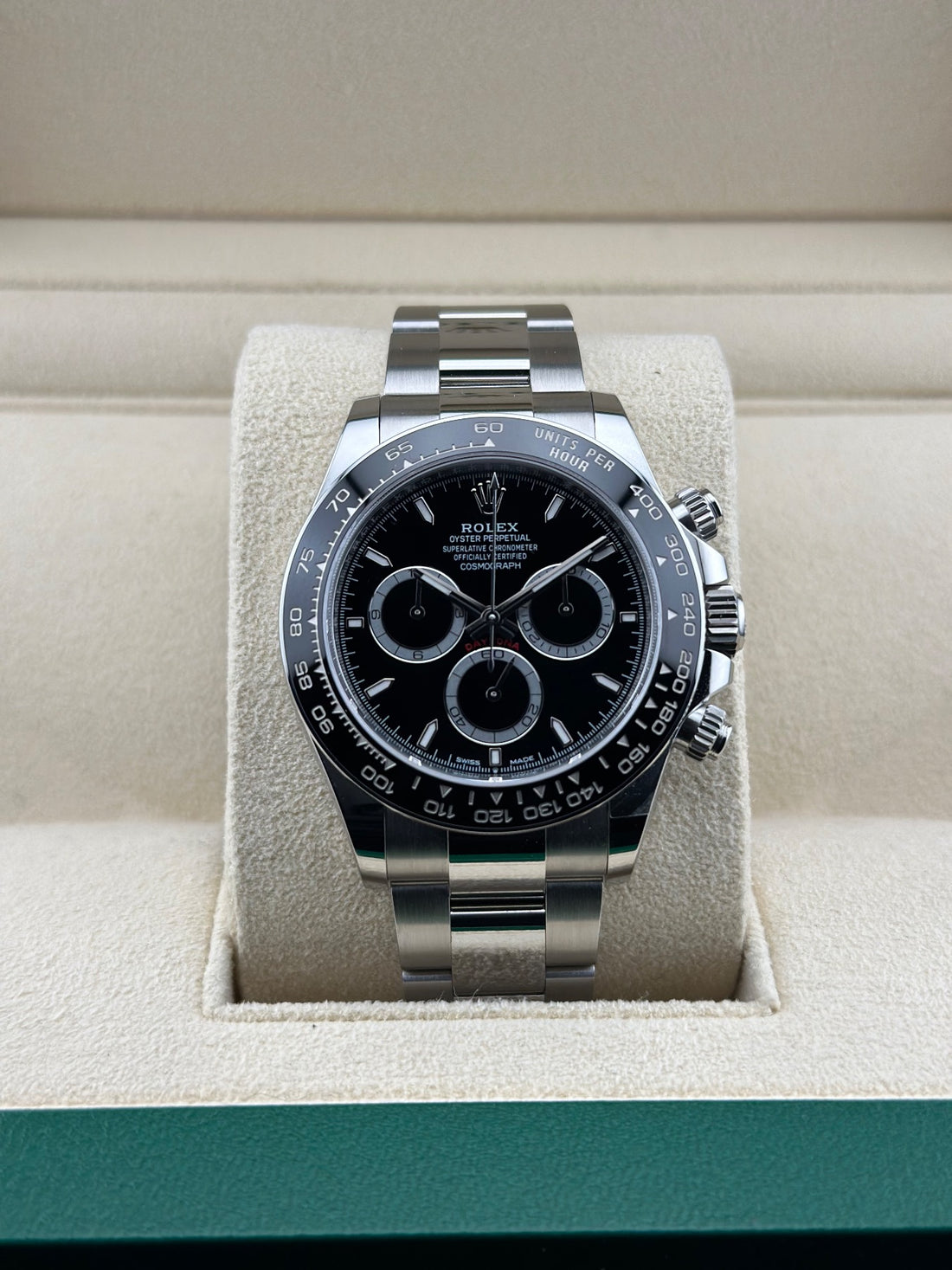
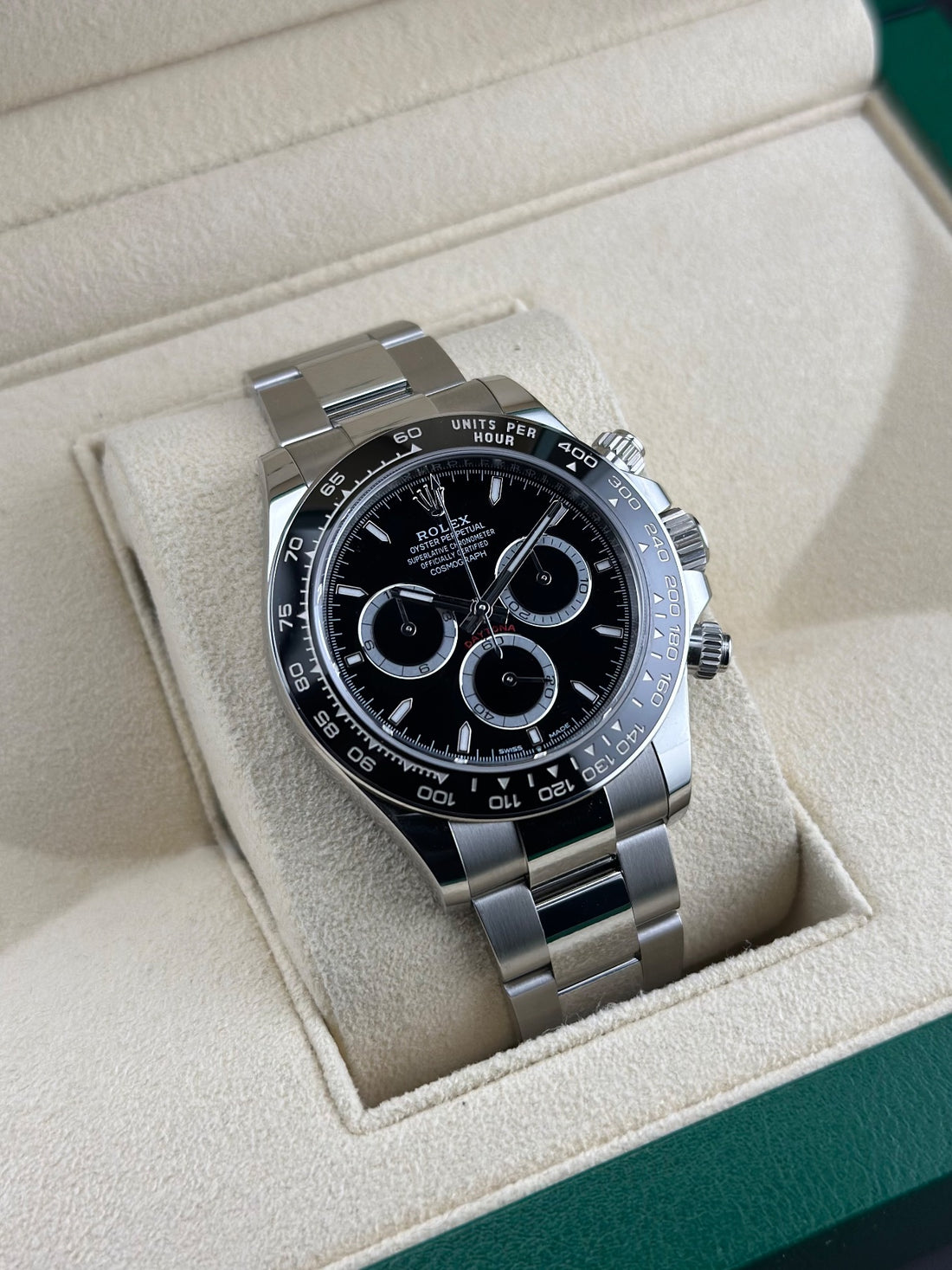
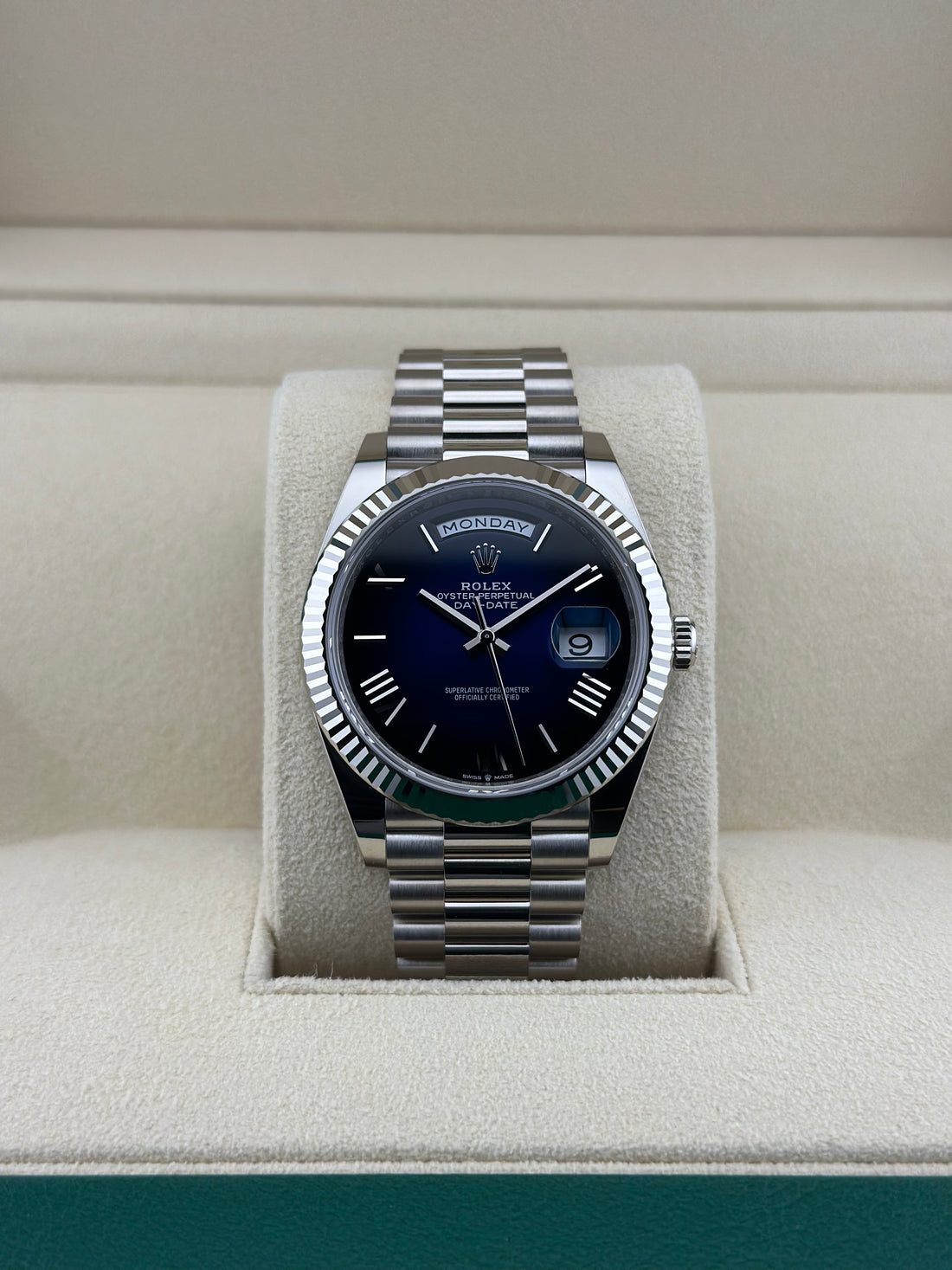
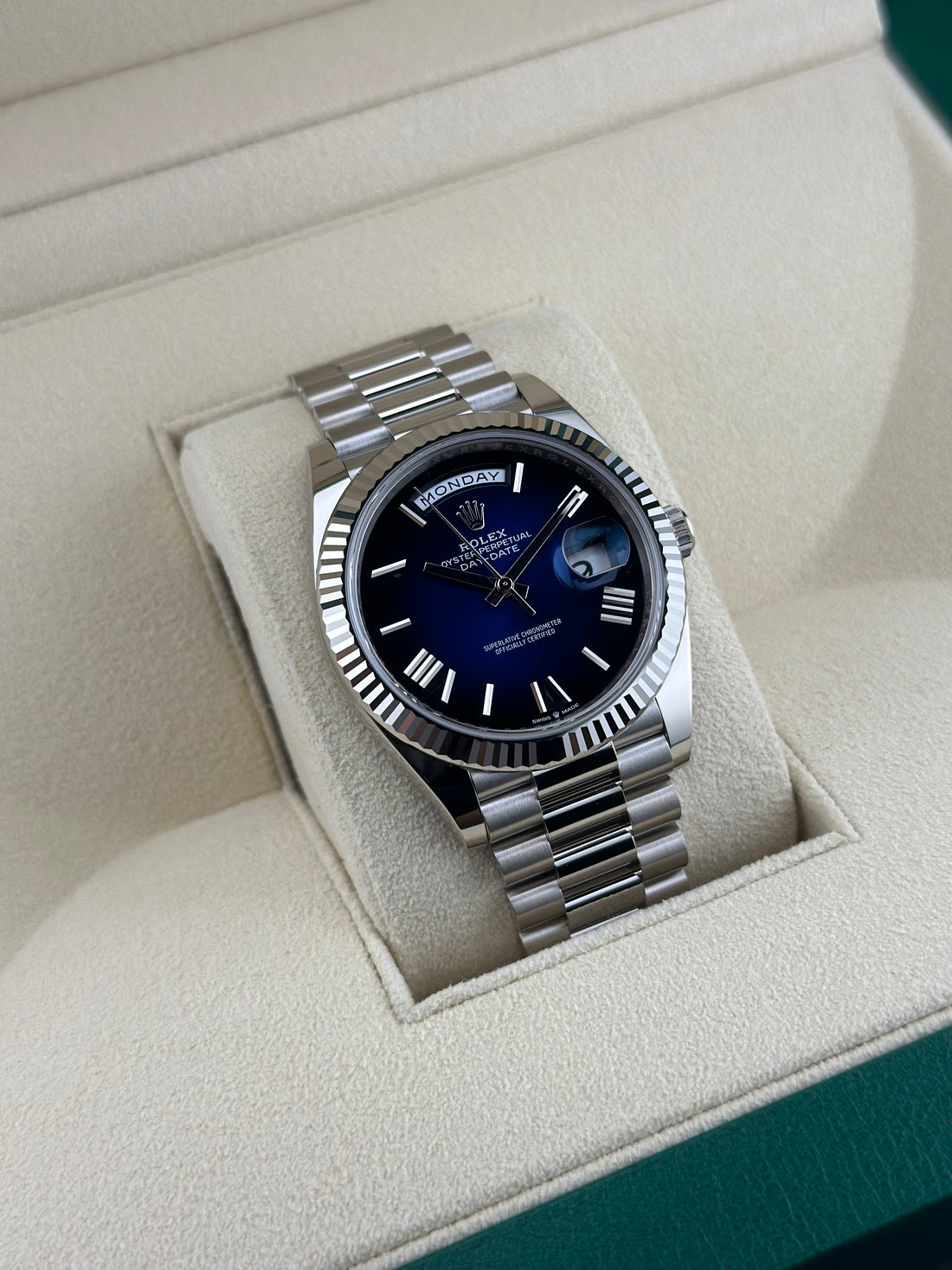
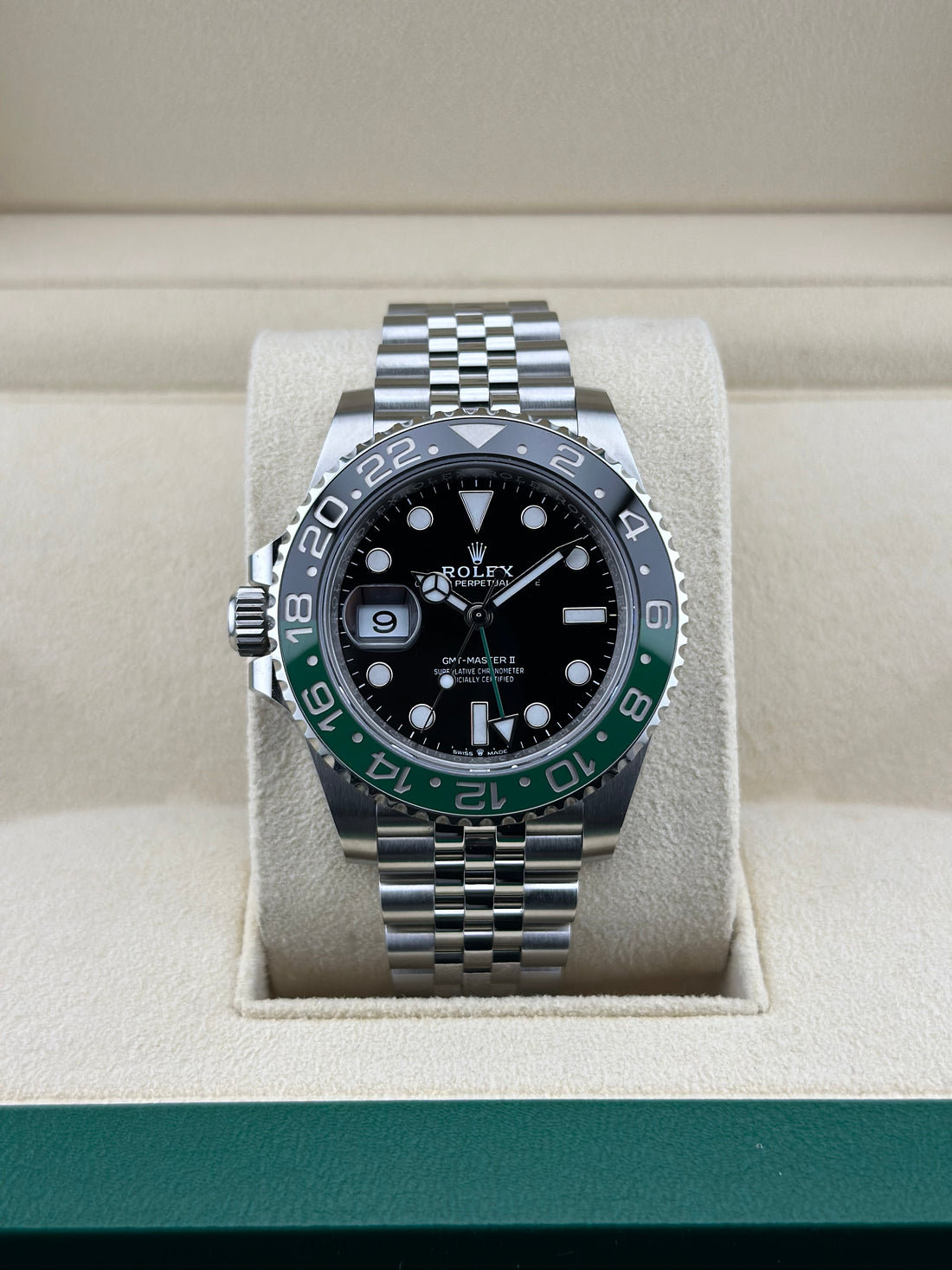
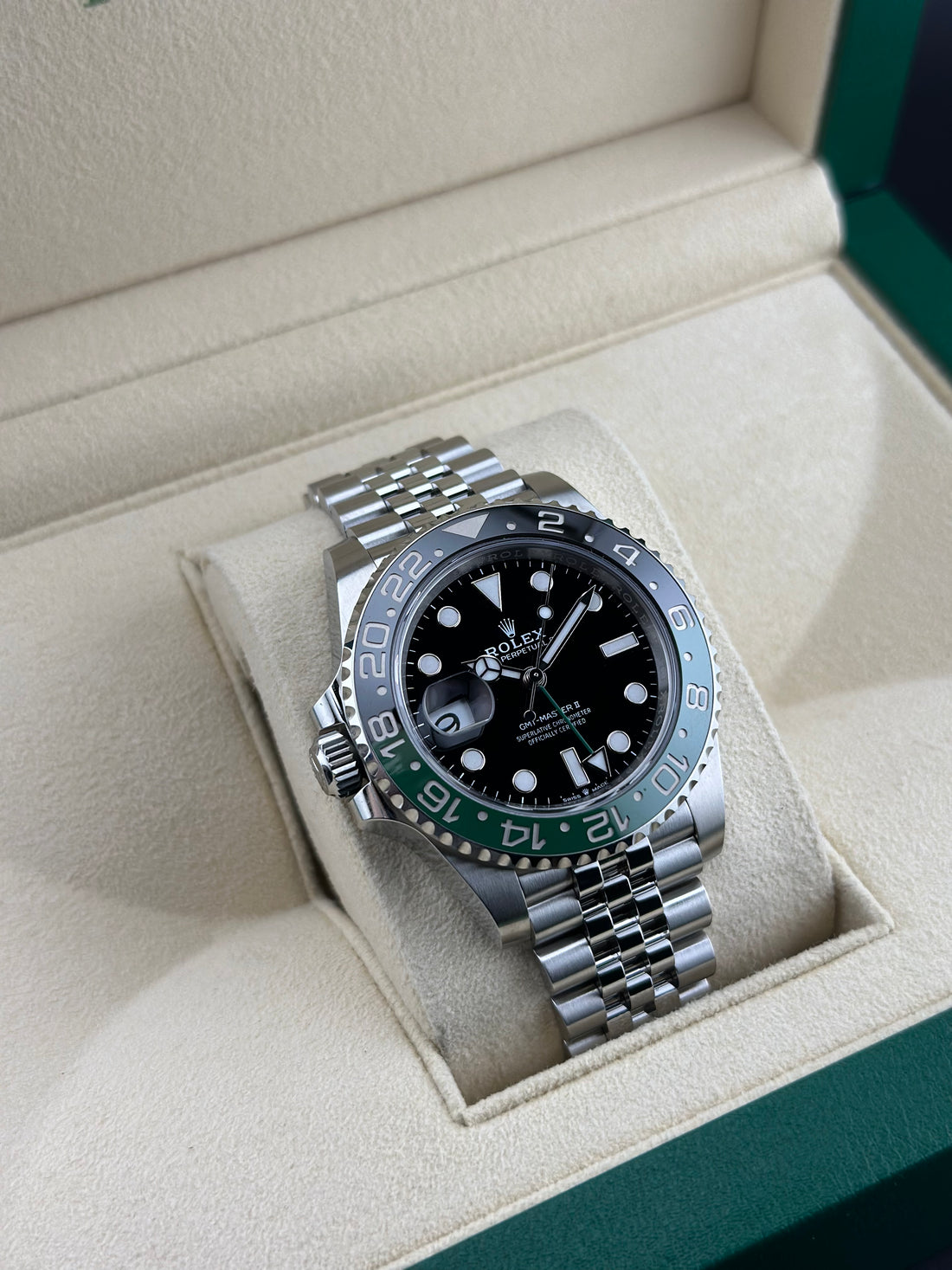
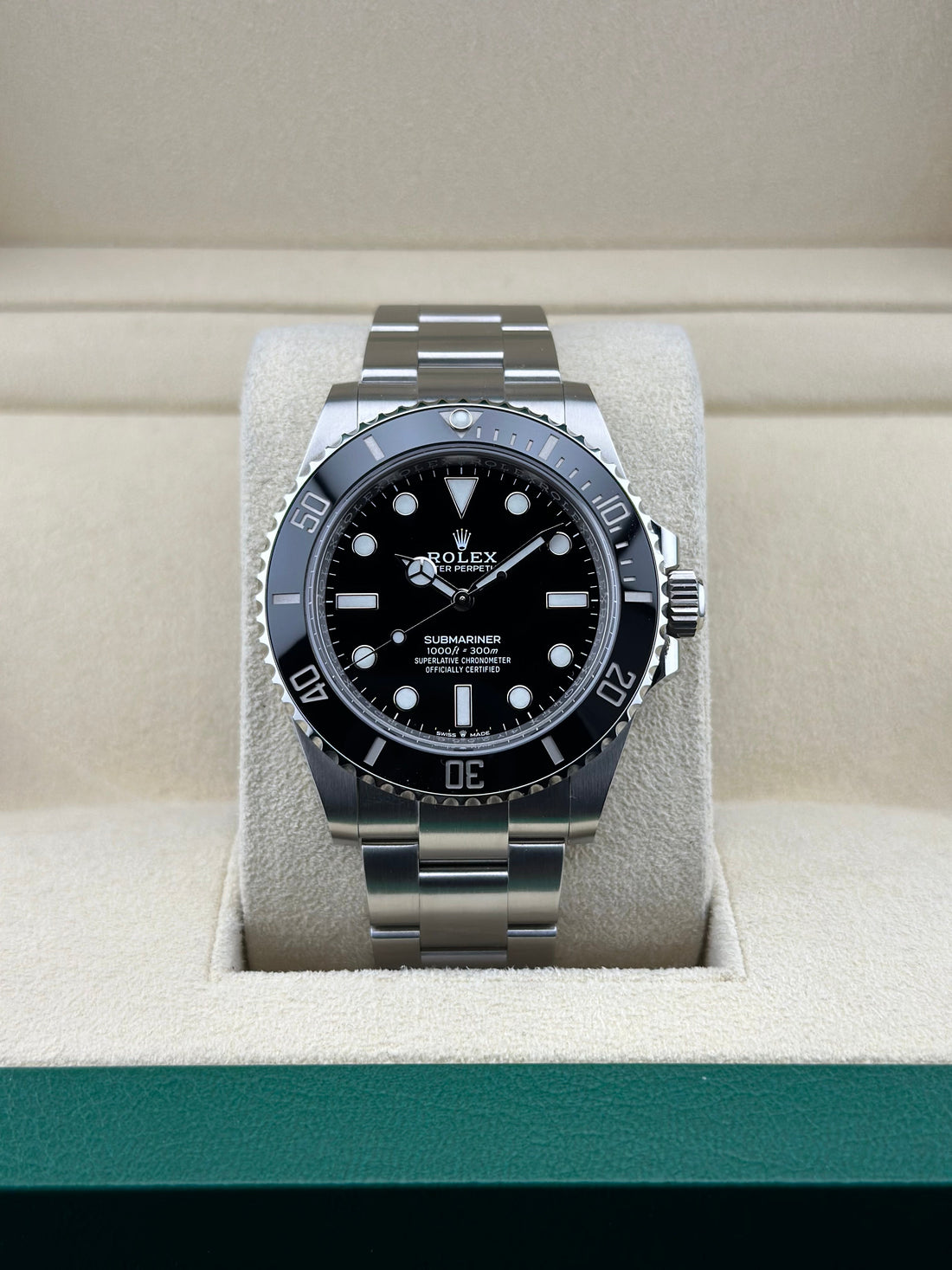
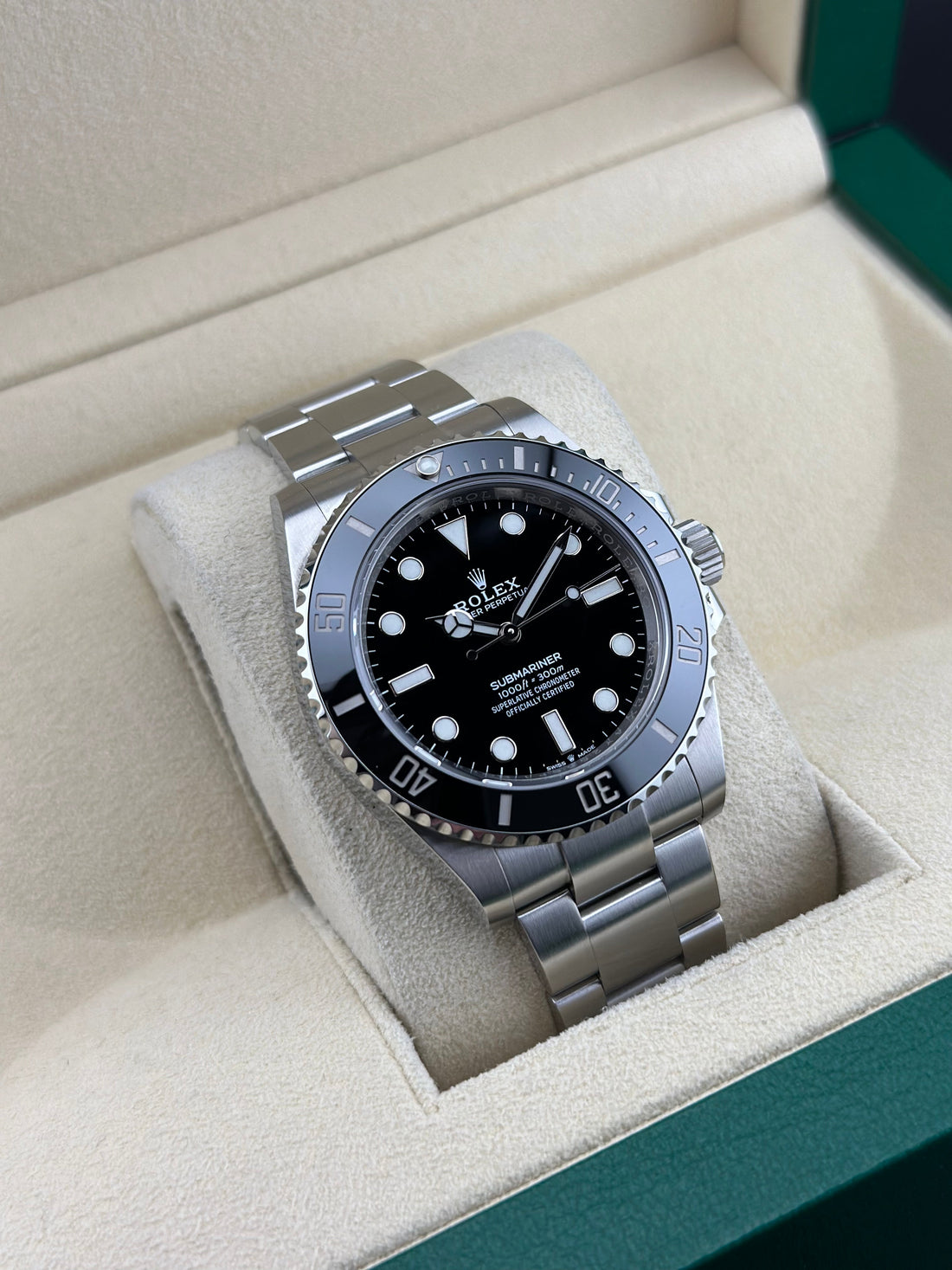
Becoming a proud Rolex owner means owning a piece draped in the rich Swiss watchmaking heritage, legacy, and history. Recognized more than a tool for mere timekeeping, every Rolex is revered for its state-of-the-art craftsmanship, elegance, sophistication, and finesse.
The horological giant has etched its name deep into the hearts of collectors and aficionados, pioneering innovative designs and unrivaled technological advancements, with the watch's mechanics personifying mystery.
Opening a Rolex could resonate with two distinct sets of actions: the simplified yet aesthetic regular act of unlocking the clasp to put it on, or the convoluted, risky procedure of opening the caseback to see the movement inside.
The former indicates something you would do every day; the latter represents a rather delicate task that would require targeted tools and a particular set of activities.
Highlighting the difference is crucial for making an informed purchase. The guide herein walks you through the intricacies of safely operating Rolex clasps and explains that opening the sealed Rolex caseback is best left to experienced professionals.
Steps to Open a Rolex Clasp: A Guide to Different Rolex Clasps
Rolex has manufactured a diverse range of clasp mechanisms, demonstrating its versatile craftsmanship over the decades. Every mechanism here is dedicated to prioritizing comfort, security, and one-of-a-kind aesthetics. Understanding how a specific bracelet works ensures you can wear your watch with confidence and pride, avoiding any accidental damage.
The Oysterclasp
The Oysterclasp is considered a standard for reliability. Elegantly featuring a secure, sophisticated two-step mechanism, it is available on multiple Oyster bracelets across the vibrant, ever-so-dazzling Rolex catalog.
Opening the Oysterclasp:
-
The safety catch is lifted: Locate the tiny, hinged piece with the Rolex crown, then lift it.
-
Pulling up on the main clasp: With the safety disengaged, draw up on the larger part of the clasp to release the bracelet completely.
The Oysterlock Safety Clasp
Particularly present on professional models, including Submariner and Daytona, the Oysterlock provides enhanced security, preventing accidental openings during strenuous activity. Pairing with the Glidelock Extension System, the design facilitates simpler micro-adjustments.
Open the Oysterlock:
-
Safety Catch Released: The intricate hinged safety lock (marked with a crown) must be lifted to disengage the primary mechanism.
-
Main Clasp Opening: Pull up on the main clasp body to fully release the bracelet from your wrist.
The Crownclasp(Concealed Clasp)
The quintessential crownclasp is the intersection of top-end functionality, charm, and elegance. Located primarily on the President bracelet or older Jubilee models, their release mechanism is sophisticatedly concealed. Dexterously hidden underneath the Rolex crown logo, a scintillating, consistent, and bedazzling jewelry-like appearance continues to fascinate all.
Opening the Crownclasp:
-
Lever Located: The subtle, tiny hinged Rolex crown logo, particularly acting as a release lever.
-
Pull the Crown Sophistically: Gently pull the crown with a fingernail to release the concealed folding beneath.
The Jubilee Clasp
The Jubilee bracelet symbolizes luxe, comfort, compatibility, and pride. With the clasp design evolving through systematic refinements, the modern versions offer high security while maintaining the subtle five-link design.
Steps to Open the Jubilee Clasp:
-
Locate the release mechanism: The hinged safety catch must be found, adorned with the Rolex crown.
-
The Two-Step Process: Start by lifting the safety latch and holding up the main clasp body to release the lock.
Steps to Open a Rolex Watch Back: For Professionals
With most YouTube tutorials making the procedure look easy, opening the Rolex caseback is dangerous, especially for the untrained eye.
Caution: Warning Against the Risks of Opening Your Rolex Caseback
It is never recommended to open your Rolex caseback yourself. The "Oyster" case is hermetically sealed, and breaking that seal without professional equipment is dangerous.
-
Do Not Void Your Warranty: If your watch is still covered under the warranty period, unauthorized opening will immediately void it.
-
Compromising Water Resistance: Rolex watches rely heavily on specialized gaskets, which require consistent torque pressure to remain waterproof. In all efforts to ensure your watches are not prone to moisture, pressure testing is typically a suitable solution.
-
Expect a Catastrophic Event: A single slip of the tool can gouge the caseback or lugs. The worst part is that there could be damage to the hairspring or the balance wheel, both of which are inside the movement.
-
Contamination: A single dust particle or a drop of moisture can gum up lubricants, leading to costly repairs.
True watchmakers don't rely on improvisation; they rely on precision engineering.
-
Rolex Caseback Opener Wrench: This high-torque tool is designed for force and used to open the seal.
-
Precision Ends: Engineering precision of the highest location, dies that match the fluted pattern of the caseback to ensure zero slippage.
-
Case Vise: A padded holder that secures the watch head prevents scratches during the process.
The Professional Method: Opening a Rolex
-
Preparation: The Rolex watch is thoroughly cleaned to prevent the accumulation of debris and the entry of dirt.
-
Secure the Watch: The head of the watch is mounted in a professional vise.
-
Choosing the Die: The watchmaker measures the caseback to find the exact-matching die.
-
Opening: Using a wrench and die, apply consistent pressure to turn the caseback counter-clockwise.
-
Closing and Testing: After service, the watch is resealed to torque specifications and pressure-tested for water resistance.
DIY(Methods Not Suggested)
There are plenty of hacks outside, including using a rolled-up friction ball or a wad of duct tape. You should avoid any such applications at all costs. DIY methods could prove temporary and unreliable and should not be trusted for long-term results. Herein, the sticky residue causes the watch to slip, making it vulnerable to cosmetic damage to polished surfaces.
Seeing a Professional Proves a Smart Decision
Rolex is a brand with an investment value that lasts a lifetime. A wise decision to ensure the watch consistently retains and even appreciates. What adds to the much-coveted appeal is a professional service that proves non-negotiable.
Consider visiting an authentic, certified expert for dealing with the following:
-
Issues regarding the movement and internal repairs.
-
Checking whether the pre-owned purchase is authentic.
-
Carrying out routine maintenance(suggested every 5-10 years).
-
Reseal the watch to restore water resistance.
At Music City Timepieces, we are committed to understanding the maintenance required to keep the level of precision needed to handle those luxury items intact. Our horological expertise instills trust and confidence, giving them the belief that with every watch we hold, we guarantee the highest standards of performance and authenticity.
Whether you are looking to service a beloved heirloom or add to your collection, we are here to help.
[Schedule a consultation with our experts]
FAQs
1. Could I open my Rolex to see if it is authentic?
It is never recommended to open your Rolex to check its authenticity. Rolex watches require sophisticated, highly specialized tools to be opened safely and with expertise. An authorized Rolex dealer and a certified watchmaker are best suited to authenticate the watch.
2. Will opening my Rolex nullify the warranty?
Yes, with the caseback opened, the warranty would immediately turn void, ceasing to exist. Rolex's warranty remains intact and valid only until the watch is serviced by an authorized Rolex service center. If service is conducted casually by unauthorized service centers, it could compromise water resistance.
3. How frequently could you open a Rolex for service?
Rolex usually recommends a comprehensive service every 10 years. It, however, depends on usage and environmental conditions.
4. What happens if the Rolex is accidentally damaged while trying to open it?
Damage caused by attempting to open the caseback yourself is typically not covered under any warranty. Such attempts, if made casually, could result in costly repairs and, in some cases, even exceed the watch’s overall value.
Why Trust Matters in the Luxury Market
Earning the highest standards of respect in the luxury horological industry is directly proportional to staying committed to excellent service and to building credible, long-standing relationships with customers, offering them peace of mind that goes way beyond a mere transaction.
At Music City Timepieces, we are proud to have garnered 200-plus reviews from satisfied clients. These testimonials aren't just numbers; they are proof of our commitment to transparency, authenticity, and long-standing relationships. In a market where trust is the ultimate currency, our track record speaks for itself.